Most backyard pitmasters make the same critical errors that separate amateur BBQ from championship-level results. These mistakes cost time, waste expensive cuts of meat, and produce disappointing flavor profiles that leave guests underwhelmed
Mistake 1: Excessive Smoke Production
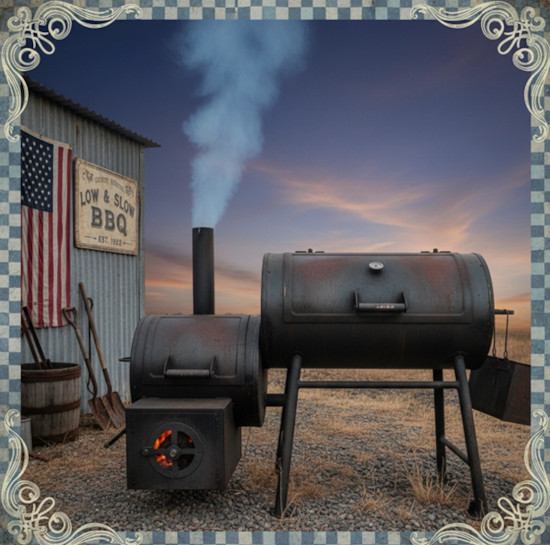
Beginners operate under the false assumption that maximum smoke equals maximum flavor. This logic produces bitter, acrid-tasting meat with an unpalatable chemical finish. The problem compounds when operators close vents completely, creating smoldering conditions that generate harsh, white smoke instead of the clean-burning blue smoke required for quality barbecue.
Championship Fix: Maintain thin wisps of smoke output rather than thick billowing clouds. Use approximately two ounces of wood chips per cook, adjusting based on smoker size and meat quantity. Keep inlet and exhaust dampers partially open throughout the cooking process. Target clear-blue, moving smoke rather than dense white plumes.

Mistake 2: Cold Start Protocol Errors
Starting with refrigerator-temperature meat and an unheated smoker creates temperature regulation problems that persist throughout the entire cook. Cold meat requires excessive energy to reach target temperatures, resulting in uneven cooking patterns and extended cook times that dry out exterior surfaces before interior temperatures reach safe levels.
Championship Fix: Remove meat from refrigeration 60-90 minutes before cooking begins. Preheat smoker to target temperature range before adding protein. This temperature equilibrium allows precise heat control and ensures consistent cooking throughout the meat’s thickness.
Mistake 3: Inferior Fuel Selection
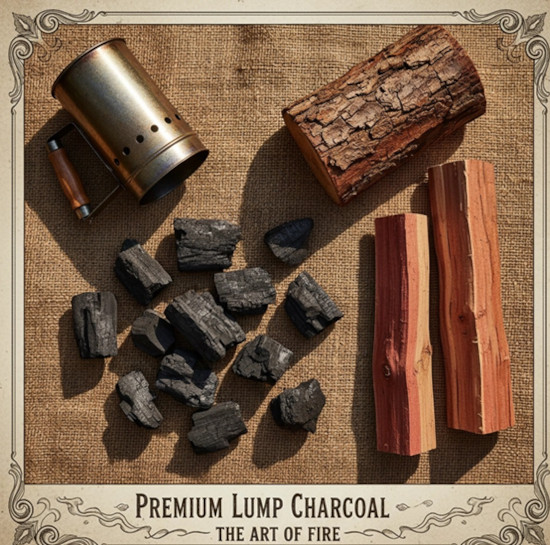
Standard charcoal briquettes contain fillers and binding agents that produce inconsistent heat output and chemical flavors. Lighter fluid compounds the problem by introducing petroleum-based odors that penetrate meat surfaces. Using softwoods or treated lumber releases harmful compounds and bitter flavors that contaminate the entire cooking environment.
Championship Fix: Upgrade to lump charcoal for consistent, high-temperature burning with minimal additives. Use chimney starters instead of lighter fluid for odor-free ignition. Select dry hardwoods exclusively: oak, hickory, pecan, apple, or cherry. Avoid pine, cedar, or any treated wood products.
Mistake 4: Seasoning Application Excess
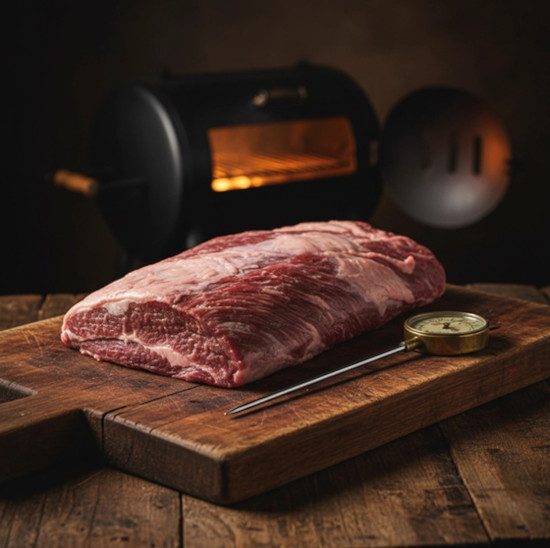
Heavy-handed rub application creates salt-heavy exterior crusts that overpower the meat’s natural flavors. The extended cooking time concentrates seasonings, transforming properly seasoned cuts into inedible salt blocks. Excessive seasoning also interferes with bark formation and smoke penetration.
Championship Fix: Apply light, even coatings that allow meat visibility through the seasoning layer. Use approximately 1 tablespoon of rub per pound for thin cuts like ribs. Increase to 2 tablespoons per pound for thick cuts like brisket and pork shoulder. The meat surface should remain partially visible after seasoning application.
Mistake 5: Airflow Management Failures
Improper ventilation control produces thick white smoke containing excessive creosote and bitter compounds. Poor airflow either suffocates the fire completely or creates temperature spikes that char exterior surfaces while leaving interiors undercooked. Inconsistent airflow prevents stable temperature maintenance throughout long cooking sessions.
Championship Fix: Master your specific smoker’s airflow characteristics through practice runs. Maintain intake and exhaust vent positions that produce steady, thin smoke output. Adjust dampers incrementally rather than making dramatic changes. Monitor smoke color consistently – target light blue or nearly invisible smoke output.
Mistake 6: Frequent Lid Opening
Each lid opening releases accumulated smoke and drops internal temperature by 25-50 degrees Fahrenheit. Temperature recovery requires 10-15 minutes, extending total cook time and reducing smoke flavor penetration. Constant monitoring disrupts the stable cooking environment required for collagen breakdown and moisture retention.
Championship Fix: Limit smoker opening to essential temperature checks and fuel additions only. Use remote thermometer systems to monitor internal temperatures without opening the cooking chamber. Make calculated adjustments based on temperature trends rather than frequent visual inspections.
Mistake 7: Premature Sauce Application
Most barbecue sauces contain high sugar concentrations that burn rapidly when exposed to smoking temperatures for extended periods. Early sauce application creates burnt, bitter coatings that mask the carefully developed smoke flavors and bark formation. The caramelization process requires precise timing to achieve proper glaze consistency.
Championship Fix: Apply sauce only during the final 15-20 minutes of cooking time. This timing allows proper tack-up and glaze development without burning. The sauce penetrates the bark while maintaining the hours of smoke flavor development already achieved.
Temperature Control Fundamentals
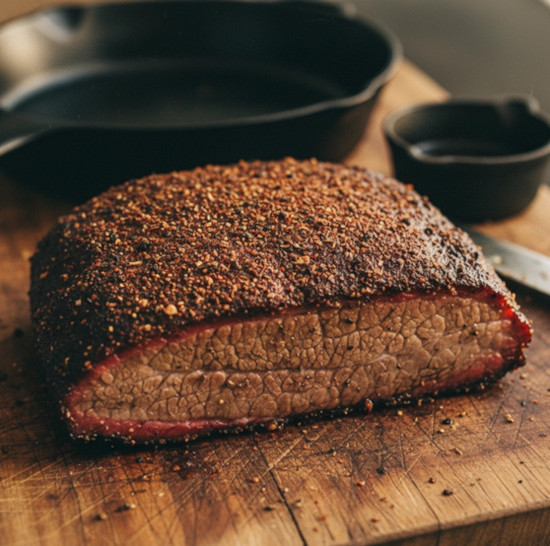
Consistent temperature maintenance separates successful cooks from failed attempts. Target temperature ranges vary by meat type: 225-250°F for most cuts, with higher temperatures for poultry skin crisping. Use multiple thermometer points to verify accuracy and identify hot spots within your cooking chamber.
Digital thermometer systems with remote monitoring eliminate guesswork and reduce the temptation for frequent lid opening. Invest in quality temperature monitoring equipment – this single upgrade produces more dramatic improvement than any other equipment modification.
Wood Selection Impact
Wood type directly influences final flavor profiles. Oak provides neutral smoke base suitable for all meat types. Hickory delivers strong, bacon-like flavors ideal for pork. Fruitwoods like apple and cherry produce mild, sweet smoke perfect for poultry and lighter meats.
Avoid mixing multiple wood types until you master individual wood characteristics. Start with oak as your base wood, then experiment with flavor additions once you achieve consistent results.
Timing and Planning Considerations
Professional-quality BBQ requires proper planning and timing coordination. Brisket requires 12-16 hours total cook time. Pork shoulders need 8-12 hours. Ribs typically finish in 4-6 hours. Factor in resting time – large cuts benefit from 1-2 hour rest periods wrapped in towels and placed in insulated coolers.
Calculate backwards from serving time to determine start times. Add buffer time for temperature stalls and unexpected delays. Properly smoked meat holds temperature effectively, making early completion preferable to rushed cooking.
Visit our full menu to experience championship-level BBQ techniques in action, or join us for live music events where you can discuss smoking techniques with fellow BBQ enthusiasts.
These seven corrections transform amateur smoking attempts into competition-worthy results. Master these fundamentals before attempting advanced techniques or experimenting with non-traditional approaches. Consistent execution of proper basics produces superior results compared to complicated methods with poor fundamental technique.